Individualised Living Options
Your home, your household, your support
ILO is not a building — it is an arrangement. It brings together the home you want, the people around you and the support that makes daily life work.
What it is
Designed with you, not for you
An Individualised Living Option starts with the question “how do you want to live?” rather than “what is available?”. It is not a property type, a building or a set number of support hours. It is an arrangement designed around one person — the home, the household, the routines and the people who help make it work.
Because it is designed rather than allocated, an ILO can look very different from one person to the next. One person may live alone with support dropping in a few mornings a week. Another may share with a housemate, or live with a host household, with family staying closely involved. What stays the same is the process: we plan it together, write it down clearly, and review it as confidence grows.
Solara is a health and community services organisation, and we welcome both NDIS participants and privately funded enquiries. Every arrangement is documented before it begins, so nobody is left guessing about who provides what.
Who ILO may suit
- People who want a home of their own rather than a placement in a program
- People building confidence with cooking, budgeting, transport or appointments
- People who would like a housemate, a host household or support that drops in
- People whose support needs change across the week and need flexibility
- People with family or friends who want to stay closely involved
- People moving out of a family home for the first time, at a pace that feels safe
Not sure whether it fits? A short conversation is usually enough to tell.
NDIS ILO pathway
Two stages: design, then implementation
ILO funding is considered in two broad stages. It funds eligible disability-related support, not the home itself or ordinary living expenses.
Exploration and design
Work out where and how the person wants to live, who may be involved, what support is needed and how the arrangement could be sustained.
Implementation and ongoing support
Put the agreed arrangement in place, coordinate supports and backup plans, and review it as the person's needs, goals and confidence change.
What support can include
Practical help across the whole week
Support is shaped around the parts of daily life a person wants to build confidence in — and the parts they would rather have a hand with.
Everyday routines
- Morning and evening routines
- Cooking, meal planning and shopping
- Cleaning, laundry and home upkeep
Practical life skills
- Budgeting, bills and money confidence
- Appointments, letters and paperwork
- Travel training and using public transport
People and community
- Community participation and local interests
- Building and keeping relationships
- Strengthening informal supports around the person
Stability and review
- Backup arrangements for when plans change
- Clear communication with families and coordinators
- Regular goal review and adjustment
How it is designed and implemented
Five stages, at your pace
Nothing is rushed. Each stage finishes when the person and the people supporting them feel ready for the next one.
Exploration and design
We start with how the person wants to live: the suburb, the household, the routines, the people involved and what a genuinely good week looks like.
Proposal and agreement
The arrangement is written up in plain language — supports, hours, who does what, costs and inclusions — and agreed before anything begins.
Matching and set-up
We match staff thoughtfully, arrange any housemate or host introductions, and take care of practical set-up so the home is ready.
Moving in
A planned move-in with introductions, orientation to the home and neighbourhood, and closer check-ins through the settling-in period.
Review and adjustment
As skills and confidence grow, supports change. We review goals regularly and adjust the arrangement with the person and their circle.
Household options
Living alone, with a housemate, with a host — or another arrangement
Who a person lives with matters as much as where they live. These are the arrangements we most often help design.
Living alone
A home entirely of your own, with support arranged around agreed times of the day or week rather than someone always being present.
Living with a housemate
Sharing a home with someone chosen through an introduction and compatibility discussion, so the household works for everybody in it.
A host arrangement
Living with a household that provides day-to-day companionship and practical help alongside any paid support that is agreed.
Another agreed arrangement
Some people design something different again — a home near family, a shared section in a larger residence, or a staged move. If it is workable and safe, we will help plan it.
Funding transparency
What ILO funding may cover — and what it does not
Funded supports and ordinary living costs are always treated as two separate things.
What funded supports may cover
- Assistance with daily routines, cooking, cleaning and laundry where included in a plan
- Capacity building towards budgeting, shopping, appointments and travel confidence
- Support to design the living arrangement and set it up
- Coordination with informal supports, housemates or host households
- Backup arrangements agreed in writing for when plans change
Ordinary living costs, paid by the person
- Rent, board or Commonwealth Rent Assistance amounts (arranged through Services Australia)
- Groceries, meals and household consumables
- Utilities, internet and contents insurance
- Furnishings and personal belongings beyond what is provided
- Everyday personal spending, memberships and entertainment costs
One possible pathway
Ryrie Street, if it suits
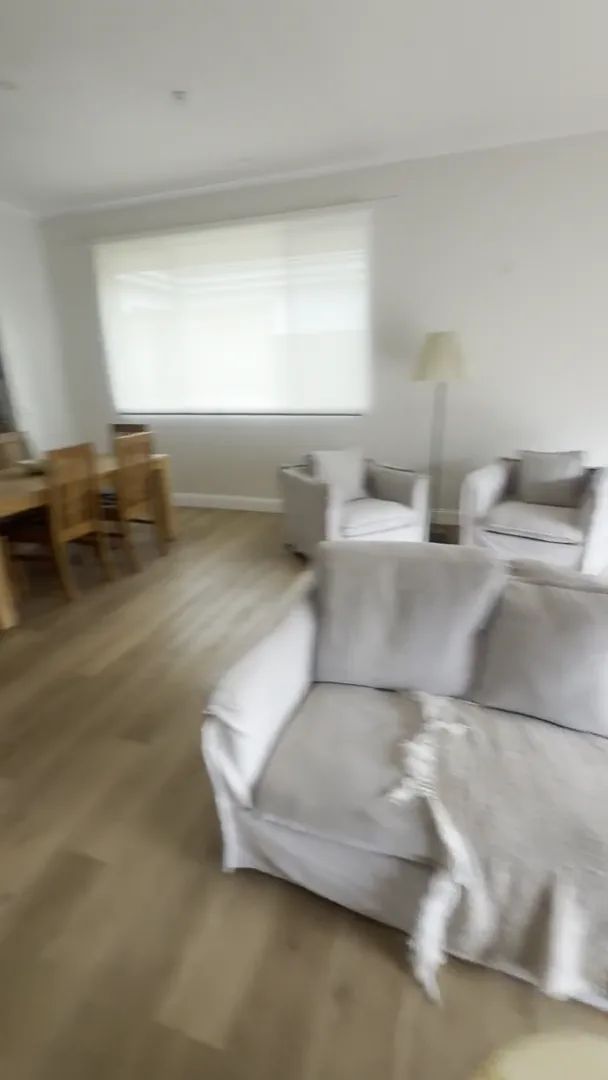
Our East Geelong residence is an eight-bedroom home arranged as three separately accessed living sections, each with its own entry, private living room and kitchen. For some people, a section at Ryrie Street is exactly the household they were hoping for, and an ILO arrangement can be built around living there.
For others, the right answer is somewhere else entirely — a private rental, a home shared with a friend, or a host household in a suburb they already know. ILO is not limited to Ryrie Street, and we will say so plainly if another option fits better.
Accommodation and funding transparency
Rent or board, Commonwealth Rent Assistance where a person is eligible, groceries, utilities, internet and other ordinary household costs are the person’s own living expenses. They are handled separately from any funded supports.
Funded supports cover assistance and capacity building where these are included in a person’s current plan and consistent with their goals and service agreement.
Exact charges, what is included and what is not are explained in writing and discussed before any agreement is signed. If something is unclear, ask us — we would rather answer it twice than have anyone sign in doubt.
Property and living features
What the Ryrie Street home offers day to day
Where an arrangement is built around a section at Ryrie Street, these are the everyday features people ask about. Availability by section is confirmed in writing at the time of enquiry.
- Furnished bedrooms, with residents warmly encouraged to make the room their own
- Private and shared living choices where a section has availability
- Kitchens within each separately accessed section for everyday cooking
- Social spaces for shared meals, house meetings and time with visitors
- Laundry and everyday household facilities for building daily living skills
- East Geelong location with local shops, transport, services and community close by
Comparison
ILO and our Concierge Living Model
Both are person-centred and both have individually agreed support hours. The difference is how the living arrangement itself is built.
| Individualised Living Options | Concierge Living Model | |
|---|---|---|
| What it is | An individually designed living arrangement built around one person's goals and household. | Solara's own structured service model, delivered in a shared residential setting. |
| Where it happens | A private rental, a shared home, a host arrangement or another setting — including Ryrie Street where it fits. | A Solara residence with shared living areas, such as the Ryrie Street sections. |
| How support is arranged | A mix of paid support, housemate or host arrangements, informal support and backup plans. | Planned assistance across the week with staff accessible on site during agreed times. |
| Who it may suit | People who want to design their own household and support mix from the ground up. | People who value predictable support close at hand within a shared home. |
| Support hours | Individually agreed, in writing, based on plan, goals and living arrangement. | Individually agreed, in writing, based on plan, goals and living arrangement. |
| Everyday living costs | Rent or board, utilities and groceries remain the person's own costs. | Rent or board, utilities and groceries remain the person's own costs. |
General support is available from 8:00am–8:00pm, seven days a week. Direct support is individually structured around the person's goals, routine, assessed needs and approved funding, and may be delivered in agreed morning or afternoon blocks. After 8:00pm, after-hours, on-call, sleepover or other overnight support applies only where separately assessed, funded and agreed.
How to get started
Six clear steps
You can start with a phone call, an enquiry form or a referral from a support coordinator.
1. Make an enquiry
Call, email or send the enquiry form. A support coordinator, family member or advocate can do this on someone's behalf.
2. Goals and preferences discussion
We talk through how the person wants to live, who they would like to live with, what is working now and what they would like to change.
3. Suitability, compatibility and funding review
We look at support needs, household compatibility where relevant, accessibility considerations and what current funding or private arrangements allow.
4. Tour or planning meeting
Visit Ryrie Street, or meet to map out another setting and household idea if a different arrangement suits better.
5. Agreements and implementation
You receive a plain-language proposal covering supports, timing, costs and inclusions, then agreements to review and sign before move-in planning and the first review.
Questions
ILO frequently asked questions
Plain answers to the questions participants, families and coordinators ask us most.
Let’s work out what a good home looks like
Whether you are planning ahead, comparing options or ready to move, a short conversation is the best place to begin.